Buying a Chinese Car in the UAE: The Good and the Bad
Great equipment and prices, but also real questions about resale and service. A fair look at both sides, and a five-step check to do before you sign.
In short
- The good: price for equipment, modern technology, electric choice and long warranties.
- The bad: uncertain resale value, thinner service networks and a short local track record.
- Reliability varies a lot between brands and even between models, so judge each car on its own.
- Check the warranty, the nearest service centre and the trade-in value before you sign.
In this article
The good and the bad at a glance
The good
- More equipment and technology for the money
- Modern design and large, easy-to-use screens
- Strong electric and hybrid choice at accessible prices
- Many brands offer long warranties
- Competition pushes the whole market to improve
The bad
- Resale value is harder to predict
- Fewer service centres in some areas
- Shorter track record in UAE heat and sand
- Parts and repair times can vary by brand
- Software and app quality is uneven
The good: where Chinese cars shine
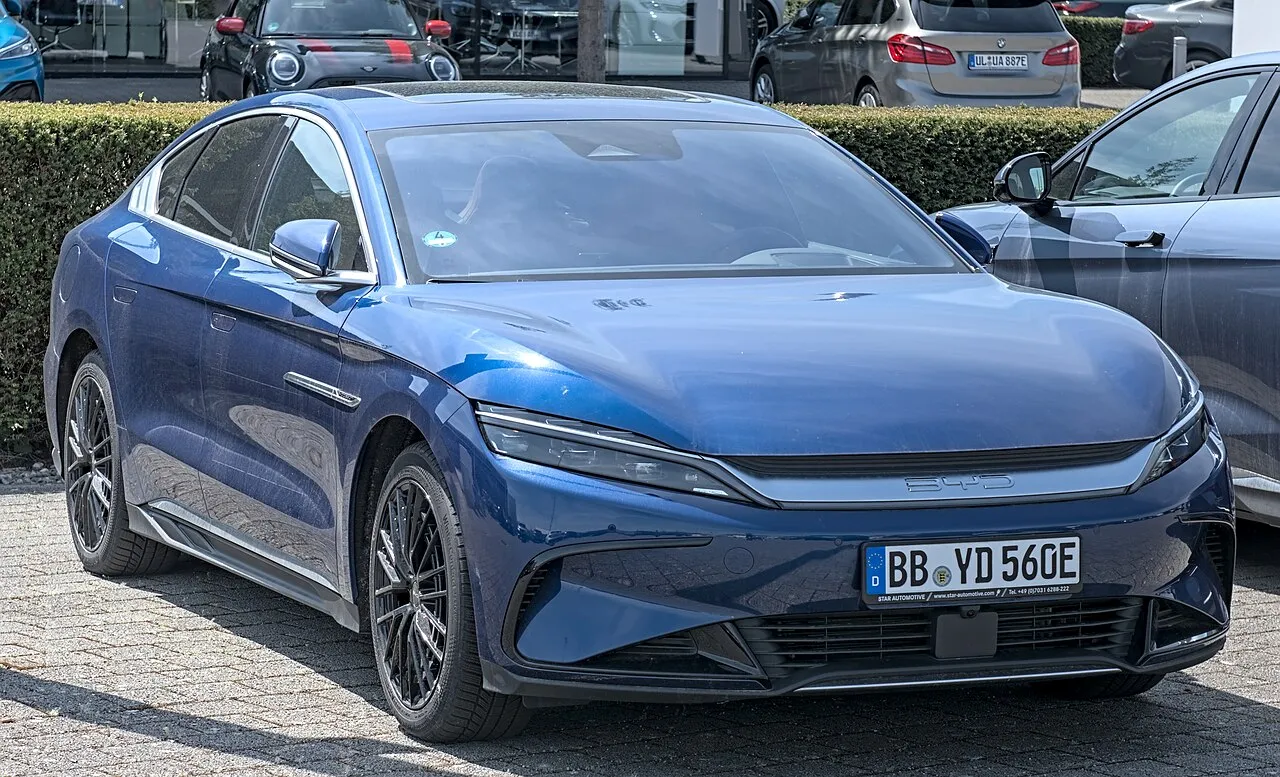
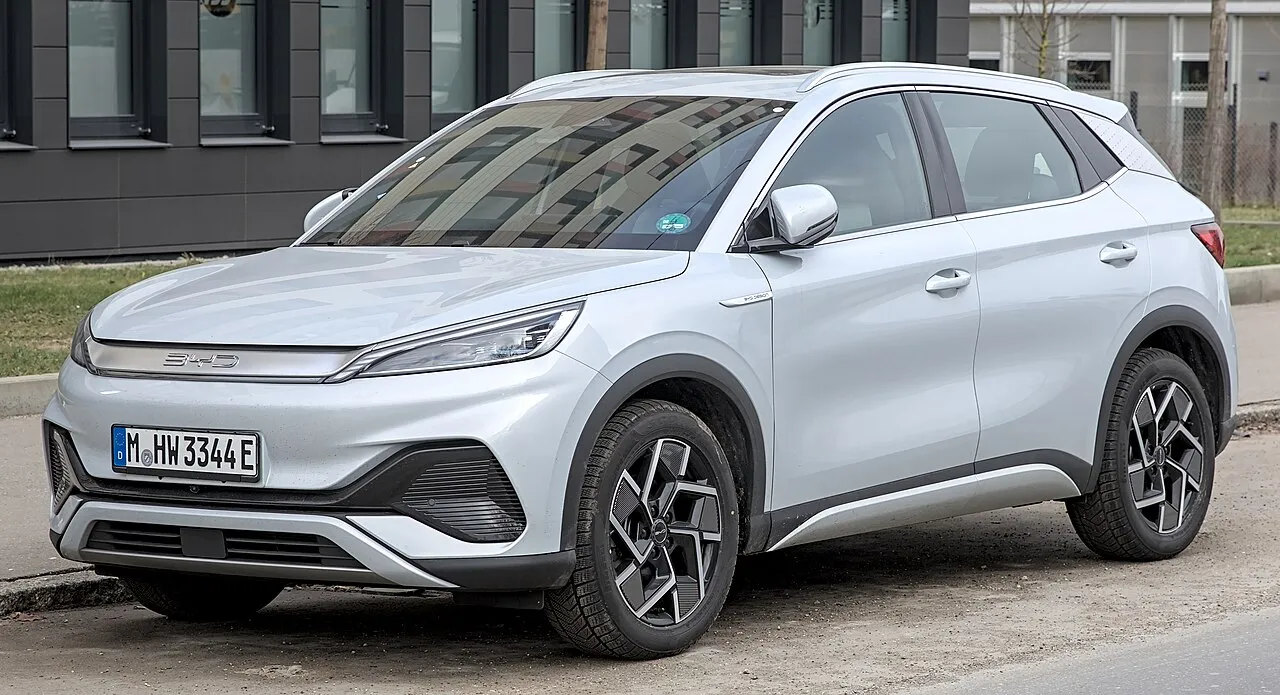
The strongest argument is value. For the price of a basic model from an established brand, you can often get a better-equipped Chinese SUV with a large screen, a panoramic roof and a long list of safety features. If you plan to keep the car for its full warranty period, that value is real.
The bad: the questions to ask honestly
Most of the concern is about the years after the sale: what the car will be worth, how fast the dealer can fix it, and whether parts are on the shelf. None of this means a Chinese car is a bad choice. It means you should ask the questions below before buying, instead of assuming the answers.
| Question | Why it matters | What to ask |
|---|---|---|
| Warranty | Covers the big repairs in the early years | How many years and km? Does it transfer to the next owner? |
| Service centre | Distance and waiting time affect daily life | Where is the nearest one, and how long do repairs take? |
| Parts | A missing part can park the car for weeks | Are common parts stocked locally? |
| Resale | Decides what the car costs you in the end | Is there a buy-back or trade-in programme? |
| Insurance | Premiums differ between models | Get a quote before you sign. |
Step by step
Five steps before you sign
- 1
Compare three rivals
Put your choice next to two alternatives at the same price.
- 2
Read the warranty
Years, kilometres, what is excluded, and transfer rules.
- 3
Visit the service centre
See it, ask about waiting times and parts.
- 4
Test drive in the heat
Check cooling, noise and comfort on real roads.
- 5
Ask for the trade-in value
Get it in writing so you know the cost of owning it.
Compare new Chinese cars with real prices
Our catalog shows each model with its AED price and details.
Frequently asked questions
Are Chinese cars reliable?
It varies by brand and by model. Newer entrants have a shorter track record than Japanese or Korean brands, so judge each car on its warranty, its service network and owner feedback.
Should I buy a new or a used Chinese car?
New cars come with the full warranty, which is the main protection with a newer brand. A used one can be cheaper, but check what is left of the warranty and whether it transfers to you.
Will parts be a problem?
Common parts are usually available through the dealer, but delivery times differ by brand. Ask before you buy how long typical repairs take.
- #Chinese cars
- #Buying guide
- #Car warranty
This article is general information to help you decide. Prices, warranties and rules change, so always confirm the details with the seller or the official authority.