How to Check a Used Car Before Buying UAE: A Full Checklist
The complete used car inspection checklist for the UAE: paperwork, paint, engine, A/C, tyres, rust, flood signs, an OBD scan and a test drive route that works in Al Ain.
In short
- Start with the paperwork: the mulkiya name, the VIN, fines and Salik must all check out before you look at the paint.
- The UAE problems to look for are weak A/C, non-GCC imports, old tyres, underbody rust, flood and sand signs, and repainting.
- Drive for 20 to 30 minutes across city, highway and a rough road, and scan the car with an OBD reader.
- Pay only when the ownership transfer is confirmed clear, and consider an independent pre-purchase inspection.
In this article
- How to check a used car before buying UAE: what is the right order?
- What paperwork should you check first?
- How do you spot repainted or accident-repaired panels?
- What should you check in the engine bay and the A/C?
- Why do tyres and underbody rust matter in the UAE?
- How do you do a flood damaged car check?
- What is a GCC specification car and why does it matter?
- What is the best test drive route for a used car?
- Is an independent pre-purchase inspection worth it?
- What should you do before you pay?
- Why buy from a showroom that inspects its cars?
- Frequently asked questions
How to check a used car before buying UAE: what is the right order?
Here is how to check a used car before buying UAE style, in order: verify the paperwork, inspect the body and paint, check the engine bay and the A/C, look at tyres and underneath, scan the car, take a 20 to 30 minute test drive, and pay only when the transfer is confirmed. Skip none of them.
The order matters. Paperwork first, because a car with a bad title is not worth an hour of your time. Then the quick visual checks, then the mechanical ones. The test drive comes last, when you already know most of what to expect.
Step by step
The inspection in seven stages
- 1
Paperwork
Mulkiya, Emirates ID, VIN, fines, Salik.
- 2
Body and paint
Daylight walk-around for repaint and repair.
- 3
Engine bay and A/C
Cold start, fluids, belts, cooling at idle.
- 4
Tyres and underbody
Age, wear, rust, leaks.
- 5
Flood and sand signs
Smell, silt, rust in odd places.
- 6
OBD scan
Stored faults and readiness status.
- 7
Test drive
City, highway and a rough road.
What paperwork should you check first?
Ask to see the original mulkiya (the vehicle registration card) and the seller’s Emirates ID. The name must match. If a dealer is selling on behalf of an owner, ask for the paper that proves it.
- VIN or chassis number: compare the number on the car (windscreen base or door frame) with the mulkiya and the service papers. A mismatch means walk away.
- Traffic fines: unpaid fines can block the transfer. Ask for them to be cleared or settled in your agreement.
- Salik and Darb: ask for the account balance and remove the car from the old account after the sale.
- Bank loan: a financed car needs a liability letter or mortgage release from the bank.
- Passing certificate: TAMM tells you if a technical inspection is needed for the transfer; it expires, so check the date.
- Service history and accident record: ask for stamped records and compare them with the mileage.
Fees and exact requirements differ by source and change over time, so confirm them on TAMM before you agree a price. Our guide to transferring car ownership in Abu Dhabi and Al Ain lists the same documents from the seller’s side.
How do you spot repainted or accident-repaired panels?
Stand in daylight, away from direct glare, and look along each side at a low angle. Repaired panels often reflect differently. Check panel gaps for evenness, look for paint on rubber seals, bolts with disturbed paint, and mismatched shades between doors and fenders.
What should you check in the engine bay and the A/C?
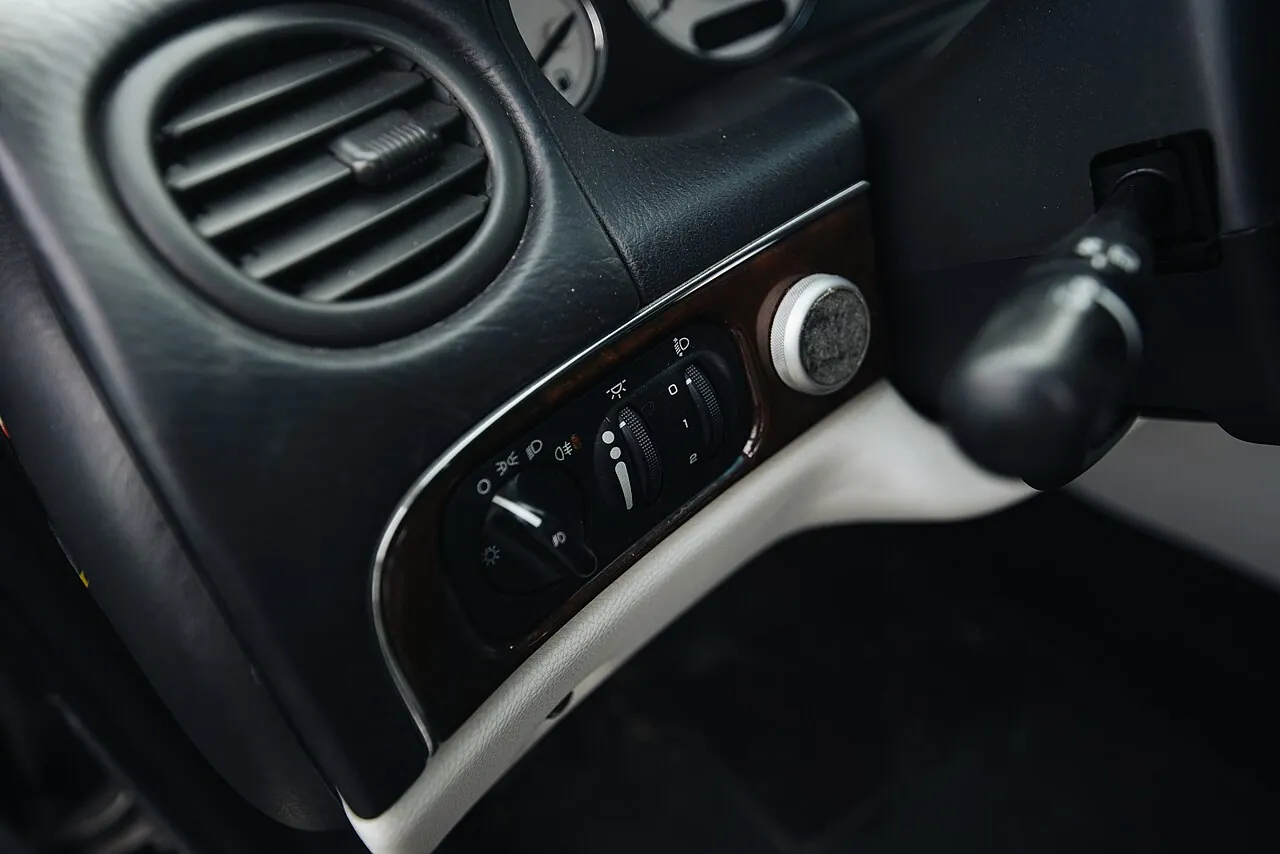
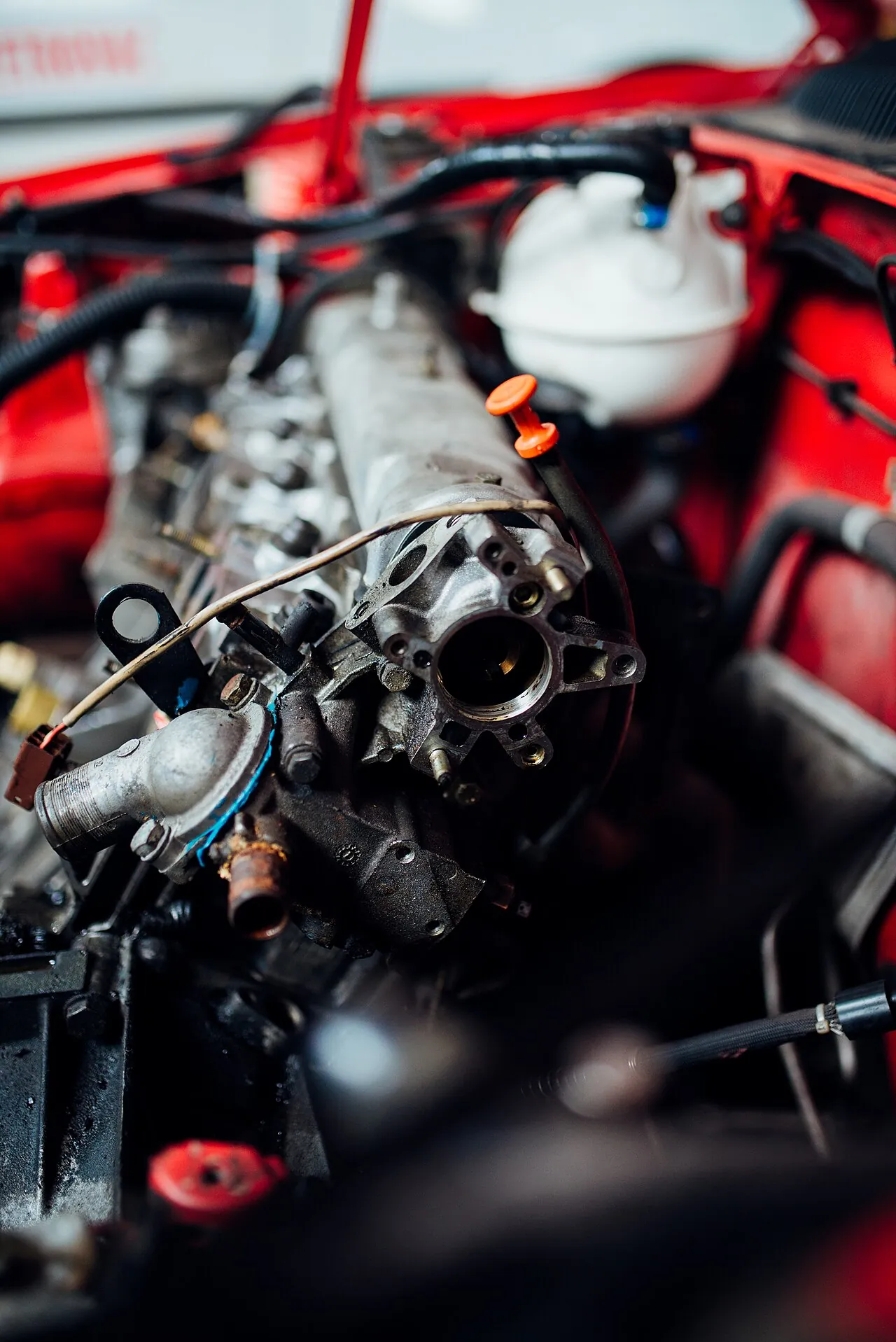
Ask for the first start of the day: a cold engine reveals more. Listen for knocking, ticking or rough idling, and watch the exhaust for smoke. Under the bonnet look for oil or coolant residue, cracked hoses and worn belts, and check the oil and coolant levels and colour.
Why do tyres and underbody rust matter in the UAE?
Heat ages rubber fast. Look for the four-digit manufacture date on each sidewall (week and year), cracks, uneven wear that hints at alignment or suspension faults, and a matching set. Old tyres on a cheap car are a hidden cost you should price in.
Then look underneath, with a torch. Surface rust is common on cars that lived near the coast or were washed with salty water; flaking, holes or fresh underseal over rust are worse. Oil or coolant drips under the engine or gearbox are also red flags.
How do you do a flood damaged car check?
Rain floods and desert driving leave traces. Sniff the cabin for a musty smell, lift the carpets and the boot floor for damp, silt, sand or rust, and check under the seats and door cards. Mud lines in the engine bay, fogging inside the lights and rust on seat rails or pedals are further clues.
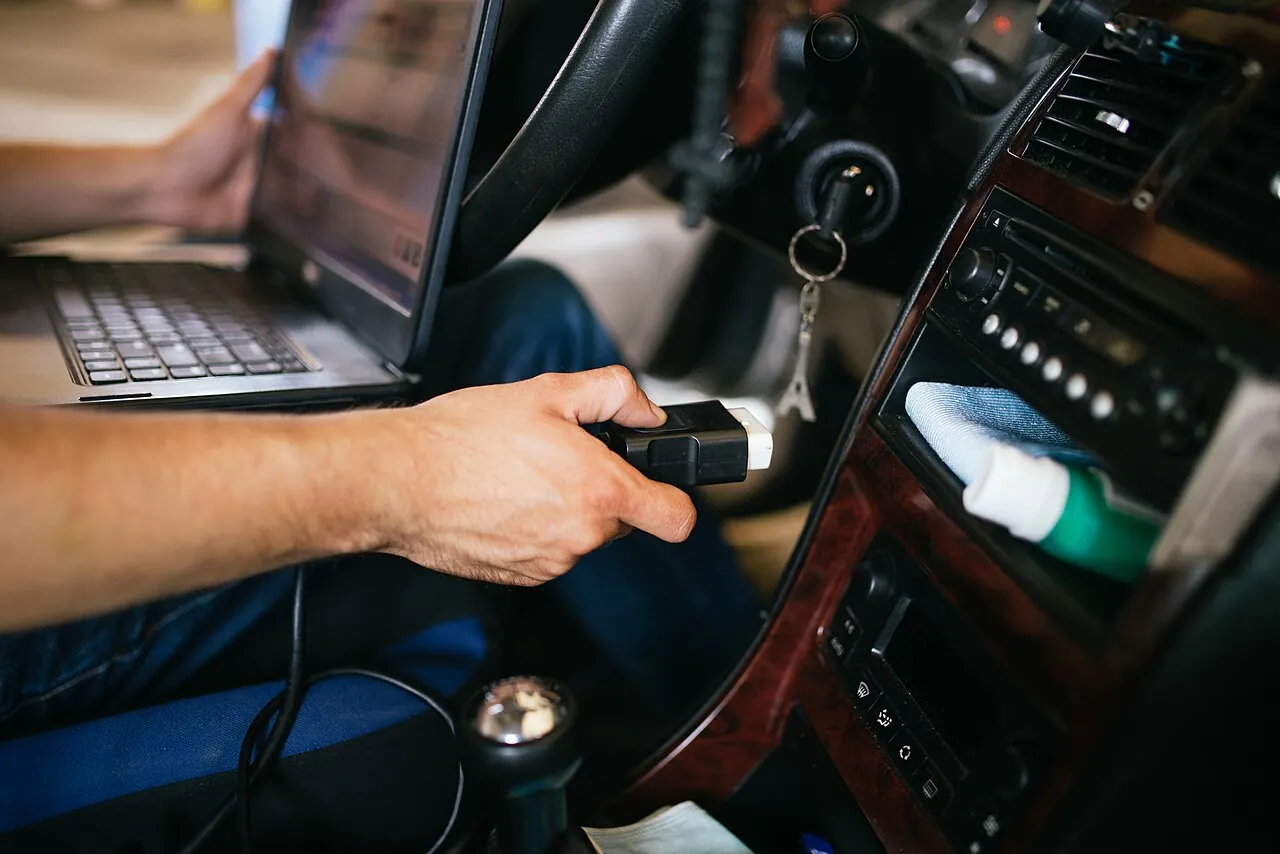
Electrical gremlins are the usual long-term result of water. Operate every window, light, lock, camera and screen. An OBD scan can reveal stored faults; cheap readers exist, and a mechanic will read much more than the basic codes.
| Where | Look for | Why it matters |
|---|---|---|
| Cabin and boot | Musty smell, damp carpet, silt or sand | Water has been inside |
| Seat rails and pedals | Rust on parts that should stay dry | Hard to fake, easy to miss |
| Lights and electronics | Fogging, flickering, random warnings | Corrosion in connectors |
| Engine bay and under floor | Mud lines, sand in crevices | Shows how high the water went |
What is a GCC specification car and why does it matter?
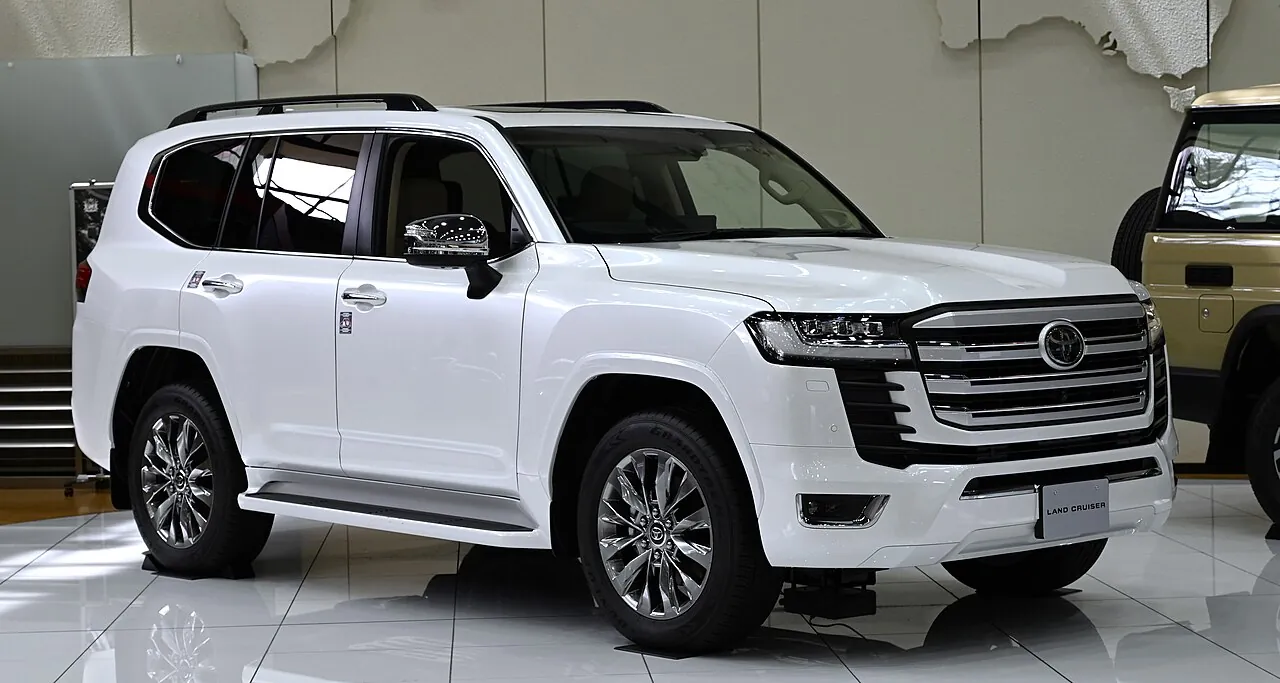
A GCC specification car was built for Gulf conditions: stronger cooling and A/C, suspension and tyres suited to heat, and local safety and emissions settings. Non-GCC imports can lack those, may cost more to maintain, and usually resell for less.
What is the best test drive route for a used car?
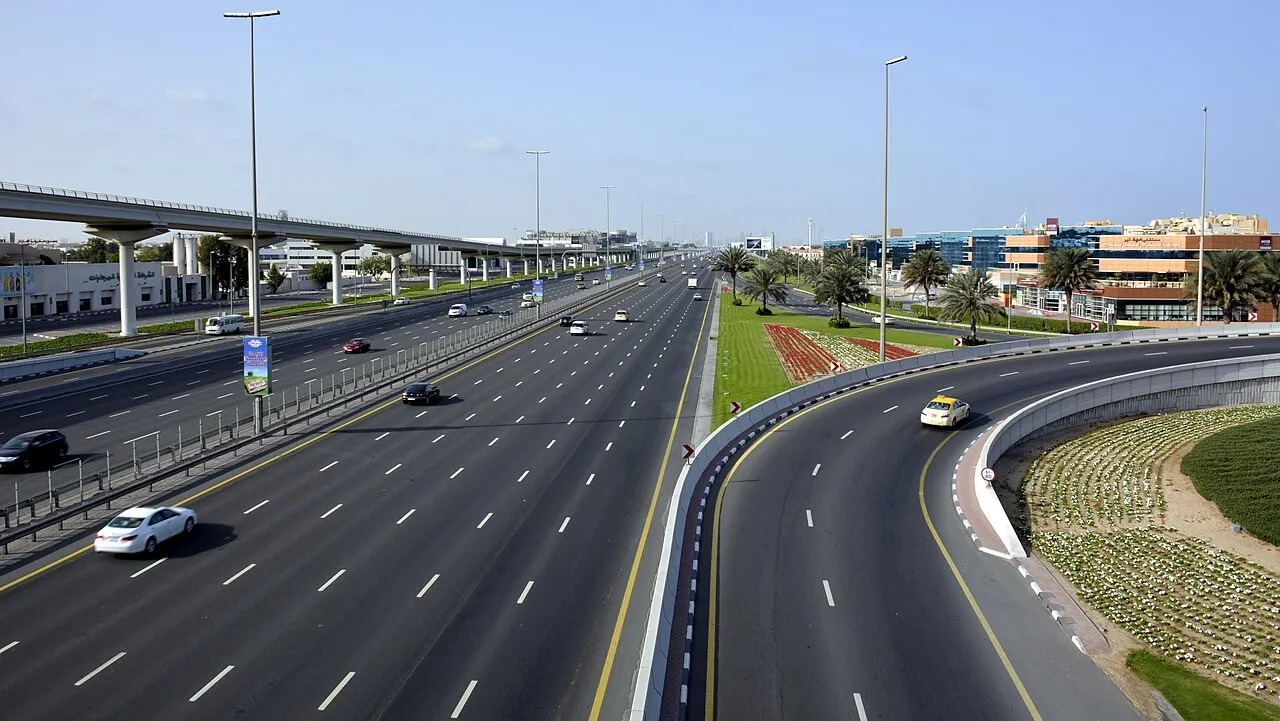
A good test drive takes 20 to 30 minutes and mixes three kinds of road. In Al Ain you can do it easily: city streets with traffic lights and speed bumps, a stretch of highway, and a rough or unsurfaced patch.
- Before you start: check the mirrors, seat belts, lights and all switches. Note any warning light that stays on.
- Pull away gently: listen for clunks, and check the gearbox engages without a delay or jerk.
- City section: try stop-and-go, check brake feel and any pulsing pedal, and go over bumps to test the suspension.
- Highway section: hold speed, accelerate to pass, and look for vibration, wind noise or drifting to one side.
- Rough road: go slowly over uneven ground and listen for rattles from the suspension.
- Finish with A/C and parking: re-run the A/C at idle, then park and look for fresh leaks under the car.
Is an independent pre-purchase inspection worth it?
In our editorial view, yes, for any car where a single hidden fault would cost more than the inspection. Guides put the fee at roughly 150 to 800 AED depending on how deep it goes. A mechanic can lift the car, read the full diagnostic data and spot repairs you cannot.
The good
- Independent: catches hidden faults and gives you a negotiating document
- Saves you from learning an expensive lesson later
- Do it yourself: free, and removes the weakest cars quickly
The bad
- Costs money and time, and the seller must agree
- An inspection is a snapshot, not a guarantee
- Do it yourself: you cannot see everything without a lift or a scanner
What should you do before you pay?
Use what you found. Minor faults are a reason to negotiate; hidden accident repairs, VIN problems or flood signs are reasons to walk away. Budget beyond the sticker price too: registration, insurance, servicing, tyres and small repairs all add up.
- Match the mulkiya name to the seller’s Emirates ID and the VIN to the car.
- Confirm fines, Salik and any bank loan are cleared or settled.
- Arrange insurance in your name before the transfer.
- Agree the price and any repairs in writing.
- Do the transfer together on TAMM or at a registration centre, and confirm the current fee there.
- Pay last, by a traceable method, and keep the receipt.
Not sure the price is right? The KAS Value Engine compares a car with real UAE market listings. Wary of private sellers? Read our guide to buying a car online safely, or browse the newest cars under 30,000 AED.
Why buy from a showroom that inspects its cars?
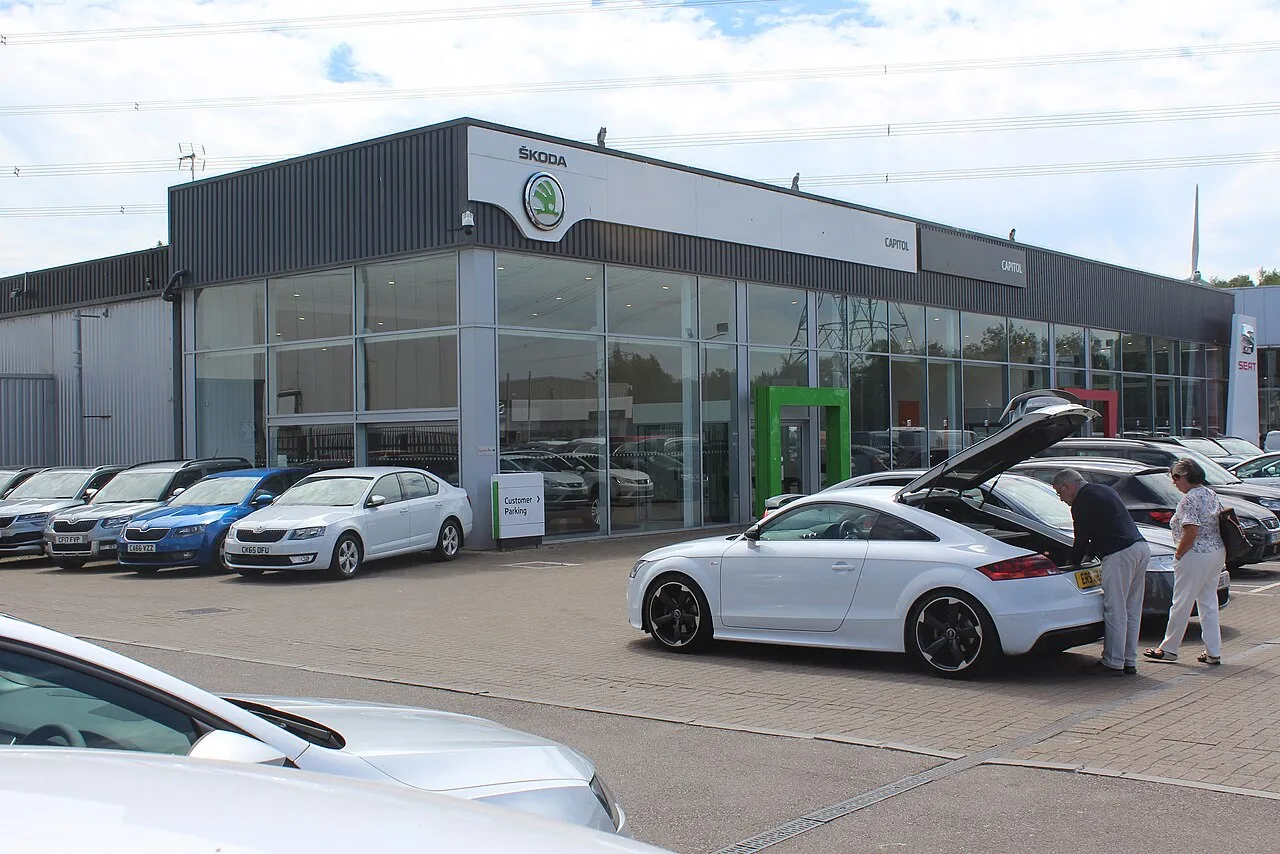
A checklist protects you, but it also takes effort. At KAS Showroom in Al Aras, Al Ain, every showroom car is inspected before it is listed, so you start from a better baseline. You are still welcome to inspect it yourself or bring your own mechanic.
Browse inspected cars in Al Ain
Now you know how to check a used car before buying UAE-wide: see the showroom catalog, then visit us in Al Aras to check any car in person.
Frequently asked questions
How to check a used car before buying UAE in one visit?
Check the mulkiya, VIN, fines and Salik first, then the paint, engine bay, A/C, tyres and underbody. Scan the car with an OBD reader, take a 20 to 30 minute test drive and pay only when the transfer is confirmed.
How can I tell if a car was flood damaged?
Look for a musty smell, damp or silt under the carpets and boot floor, rust on seat rails and pedals, fogging in the lights and electrical faults. No single sign is proof, so combine them with an OBD scan.
What is a GCC specification car?
It is a car built or adapted for Gulf conditions, with stronger cooling and A/C and local safety and emissions settings. Non-GCC imports can be harder to maintain and usually resell for less, so confirm the spec before buying.
How long should a test drive be?
Aim for 20 to 30 minutes covering city traffic, a highway stretch and a rough road. Test the A/C at idle, listen for noises, feel the steering and brakes, and park to check for fresh leaks.
Is a pre-purchase inspection worth the money?
Usually yes. Guides give a rough range of 150 to 800 AED, which is small against one hidden gearbox, engine or accident repair. An inspection is a snapshot rather than a guarantee, but it shows what you cannot see.
When should I pay for a used car?
Only when the ownership transfer is confirmed clear: names match, fines and loans are settled and insurance is arranged. Never pay a deposit to a seller you have not met, and keep every receipt.
- #Used car inspection checklist UAE
- #Flood damaged car check
- #GCC specification car
- #Used cars Al Ain
- #Used car test drive checklist
- #Pre-purchase car inspection UAE
This article is general information to help you decide. Prices, warranties and rules change, so always confirm the details with the seller or the official authority.